Together with the legalization of marijuana across different states in america, there’s been a spike in investigation and progression of other cannabinoids apart from the most popular delta-9 tetrahydrocannabinol (THC) and cannabidiol (CBD). One of these cannabinoids is Hydroxyhexahydrocannabinol (HHC). Like lots of the cheaper-recognized cannabis substances, HHC’s effects on our bodies will still be getting researched. With this article, we’ll consider a closer inspection at this much-talked-about cannabinoid.
What is HHC?
Hydroxyhexahydrocannabinol, also referred to as C21H34O2, is really a artificial cannabinoid that is one of the very same class as THC. However, contrary to hhc vs thc, HHC is 4 times a lot more powerful, however it doesn’t get the psychoactive effects that are included with THC. HHC comes from standard delta-9 THC utilizing a substance conversion procedure in a laboratory.
HHC’s Consequences
One of the most exciting aspects of HHC is its outcomes. According to first investigation, HHC can be a powerful analgesic or painkiller. It’s also anxiolytic, which means it will also help minimize anxiousness in folks. HHC has been shown to interact with the body’s endocannabinoid program, much like THC. However, it seems like to bind using the endocannabinoid receptors differently, producing a whole new experience for that end user. In spite of becoming far more strong than THC is not going to generate any hallucinogenic consequences, so that it is an attractive option for medicinal use.
HHC versus. THC
While HHC relates to THC, it works differently within the body. In contrast to THC, which binds instantly to CB1 receptors from the mind, HHC carries a exclusive binding process, causing a different experience. This amazing binding process contributes to HHC’s non-hallucinogenic results in comparison with THC. Because it’s artificial, HHC is just not found naturally from the cannabis herb. Rather, it’s primarily produced in a laboratory placing.
The Future of HHC
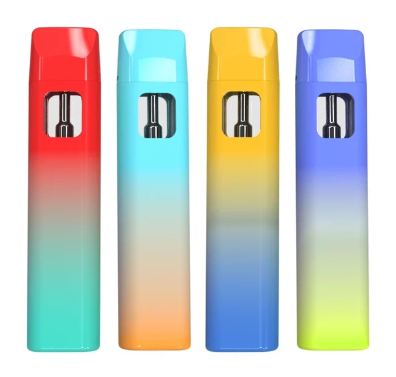
Although HHC is totally new and still becoming reviewed, its results are encouraging. With its capability to lessen discomfort and stress and anxiety, HHC has got the possible to become a staple within the health-related marijuana industry. Researchers are exploring methods of establishing HHC in several types, which include skin oils, tinctures, and topicals.
Bottom line:
Hydroxyhexahydrocannabinol (HHC) is actually a synthetic cannabinoid that has displayed promising outcomes, notably being a painkiller and anxiolytic. Contrary to delta-9 THC, HHC doesn’t have any psychoactive effects, making it an appropriate option for medical use. Whilst its scientific studies are still during the early stages, HHC offers the possibility to get to be the next major part of the health care marijuana market. As increasing numbers of research is conducted, we could assume to learn more about how HHC interacts with the body’s endocannabinoid method and how it will help treat numerous health conditions.